
The Best Shrubs to Plant This Fall in Western North Carolina
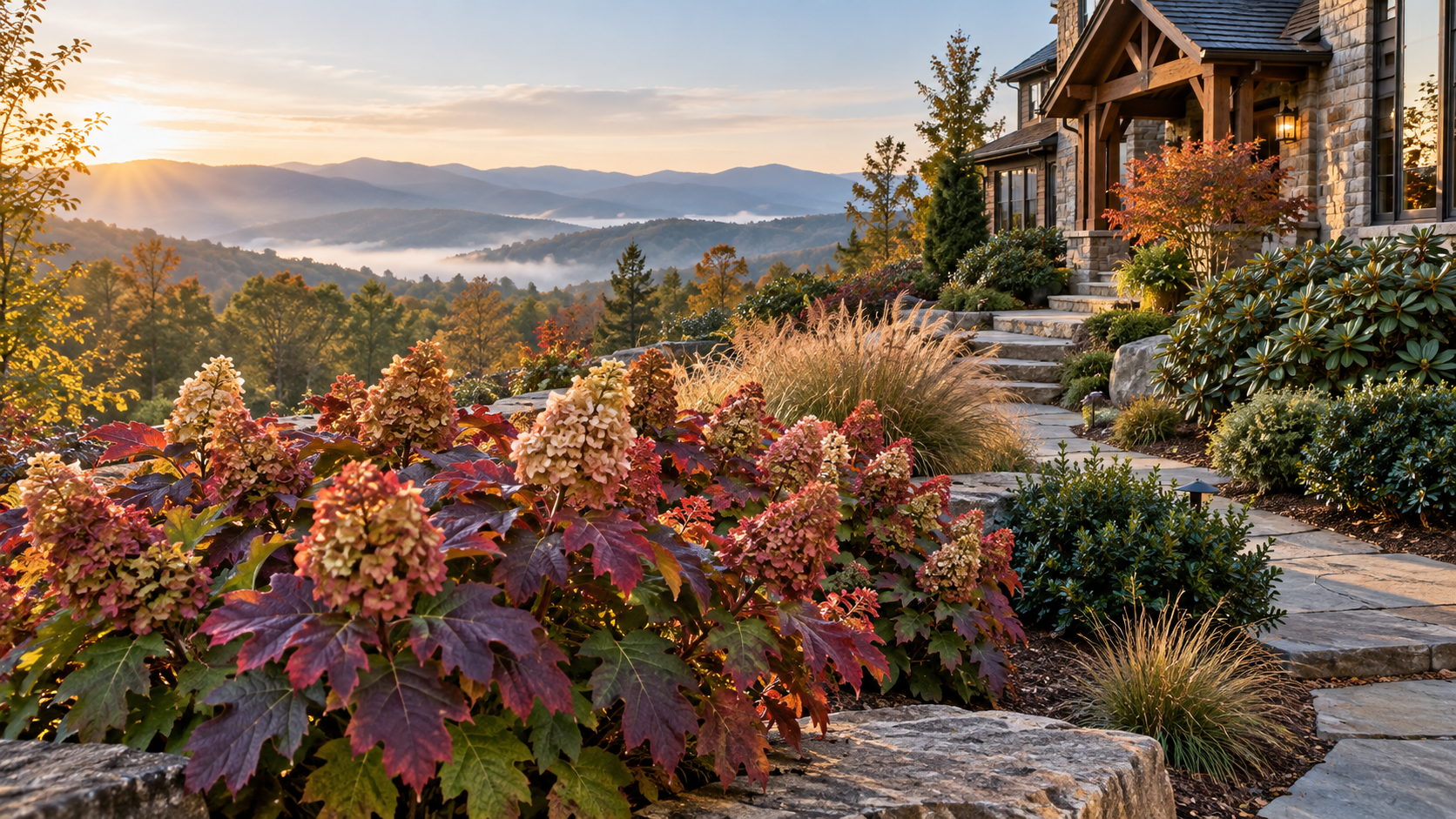
Fall is one of the best times to add shrubs to your Western North Carolina landscape. While spring often gets most of the attention, the cooler temperatures and more dependable rainfall of autumn create ideal conditions for establishing healthy roots. Shrubs planted in fall experience less heat stress and have several months to settle in before the demands of summer arrive.
For homeowners in Asheville and the surrounding mountain communities, the right shrubs can provide year-round structure, seasonal color, privacy, erosion control, and valuable habitat for birds and pollinators. The key is choosing plants that are well suited to our mountain climate, elevation, soil conditions, and available sunlight.
Here are some of the best shrubs to consider planting this fall in Western North Carolina.
Why Fall Is a Great Time to Plant Shrubs
Even when the visible portion of a shrub begins going dormant, its roots can continue developing as long as the soil remains warm enough. That gives a fall-planted shrub time to establish itself before spring growth begins.
Cooler temperatures also mean less water is lost through evaporation, reducing stress on newly installed plants. Homeowners will still need to water consistently—especially during dry periods—but fall conditions are generally much more forgiving than the heat of late spring and summer.
Snow Creek Landscaping can help determine the best planting time for your specific property, prepare the soil properly, and place each shrub where it will have the space and conditions needed to thrive.
1. Oakleaf Hydrangea
Oakleaf hydrangea is an excellent native shrub for Western North Carolina landscapes. Its large, oak-shaped leaves create a bold texture throughout the growing season, while clusters of white flowers appear in late spring and early summer. As the flowers age, they often develop soft pink or tan tones.
One of its best features arrives in fall, when the foliage turns shades of burgundy, red, bronze, and purple. Its peeling bark also provides winter interest after the leaves have dropped.
Oakleaf hydrangeas perform well in morning sun or partial shade and prefer moist, well-drained soil. Depending on the variety, they can grow from about three feet to more than eight feet tall, so proper placement is important.
2. Fothergilla
Fothergilla is another native shrub that deserves more attention in Asheville-area landscapes. In spring, it produces fragrant, white flowers that resemble small bottlebrushes. Its blue-green summer foliage creates a clean, natural appearance, but fall is when this shrub truly stands out.
The leaves can turn brilliant shades of yellow, orange, red, and purple—sometimes displaying several colors on the same plant.
Fothergilla generally prefers acidic, well-drained soil and grows well in full sun to partial shade. It works beautifully in foundation plantings, woodland borders, native gardens, and mixed shrub beds.
3. Virginia Sweetspire
Virginia sweetspire is a versatile native shrub that tolerates a wide range of conditions. It can handle moist soil better than many shrubs, making it useful near drainage areas, low spots, streams, or rain gardens. Once established, it can also tolerate occasional dry periods.
In late spring and early summer, Virginia sweetspire produces fragrant white flower spikes that attract pollinators. Its fall foliage can become deep red, burgundy, orange, or purple.
This shrub typically grows three to five feet tall and can gradually spread to form a natural-looking mass. Snow Creek Landscaping may recommend it for slopes, woodland edges, or locations where homeowners want seasonal color combined with practical erosion control.
4. Inkberry Holly
For homeowners who want evergreen structure without the sharp leaves commonly associated with hollies, inkberry holly is a strong native option. Its small, smooth leaves remain green throughout the year, and female plants can produce dark berries when a compatible male pollinator is located nearby.
Inkberry holly works well in foundation beds, low hedges, naturalized plantings, and mixed borders. Compact cultivars are available for smaller spaces and more formal landscapes.
It prefers acidic soil and consistent moisture but should not remain in standing water. Proper pruning and plant selection can help prevent the shrub from becoming sparse near the base as it matures.
5. Arrowwood Viburnum
Arrowwood viburnum offers multiple seasons of interest while supporting local wildlife. White flower clusters appear in spring, followed by blue-black fruit that birds enjoy. In fall, its foliage may turn yellow, orange, red, or burgundy.
This native shrub can grow relatively large, often reaching six to ten feet tall and wide, depending on the cultivar and growing conditions. It makes an excellent informal screen, property-border planting, or background shrub.
Because some viburnums produce better fruit when cross-pollinated, planting more than one compatible variety may improve berry production. Snow Creek Landscaping can recommend varieties that fit the available space and work well together.
6. Summersweet
Summersweet, also known as sweet pepperbush, is a native shrub valued for its fragrant summer flowers. The white or pink flower spikes attract bees, butterflies, and other pollinators during a time when some spring-flowering shrubs have already finished blooming.
Summersweet performs especially well in moist, acidic soil and can tolerate partial shade. It is a good choice for rain gardens, woodland settings, and areas that remain consistently damp. Its foliage often turns an attractive golden yellow in fall.
Although summersweet can spread through underground stems, this characteristic can be useful when creating a naturalized planting or stabilizing a difficult area.
7. Rhododendron
Rhododendrons are closely associated with the mountain landscapes of Western North Carolina. Their evergreen foliage provides year-round structure, while their spring flowers bring dramatic color to shaded and partially shaded areas.
These shrubs prefer acidic, well-drained soil that contains plenty of organic matter. They do not perform well when planted too deeply or in heavy soil that stays waterlogged. Protection from harsh afternoon sun and winter winds can also help keep the foliage healthy.
Rather than forcing rhododendrons into an unsuitable location, Snow Creek Landscaping can assess the property and determine where they are most likely to succeed.
8. Mountain Laurel
Mountain laurel is a beautiful native evergreen known for its glossy foliage and intricate late-spring flowers. It works especially well in woodland gardens and natural mountain landscapes.
Like rhododendron, mountain laurel prefers acidic, well-drained soil and partial shade. It needs good air circulation and should not be placed in constantly wet soil. Because it can grow slowly, careful installation and proper soil preparation are especially important.
Mountain laurel is a wonderful choice for homeowners who want a refined evergreen shrub that still feels connected to the natural character of Western North Carolina.
Choosing the Right Shrub for the Right Place
A shrub may be well suited to the Asheville climate and still struggle if it is planted in the wrong location. Before making a selection, consider:
The amount of direct sunlight the area receives
Whether the soil drains quickly or remains wet
The shrub’s mature height and width
Exposure to wind or harsh afternoon sun
Deer activity in the area
Proximity to foundations, walkways, utilities, and other plants
Whether the shrub will require regular pruning
The amount of year-round screening or seasonal color desired
Many problems begin when shrubs are selected based only on how they look at the garden center. A small plant may eventually outgrow its location, block windows, crowd a walkway, or require constant trimming.
Give New Shrubs a Strong Start
Proper installation is essential. The planting hole should generally be wider than the root ball but no deeper, and the top of the root flare should remain at or slightly above the surrounding soil level. Applying mulch around the planting area can help retain moisture and regulate soil temperature, but mulch should never be piled against the trunk or stems.
New shrubs also require regular watering during establishment. Even in fall and winter, plants can suffer when the soil becomes excessively dry. Water deeply and monitor soil moisture rather than relying only on brief rain showers.
Plan Your Fall Planting With Snow Creek Landscaping
The right shrubs can transform an Asheville-area property by adding beauty, structure, privacy, and seasonal interest. They can also support pollinators, provide food and shelter for birds, and help a designed landscape feel more connected to the surrounding mountains.
Snow Creek Landscaping can help you select shrubs that complement your home, fit the available space, and respond well to the specific conditions on your property. From soil preparation and drainage considerations to thoughtful plant placement and professional installation, careful planning gives every shrub a better opportunity to thrive.
If your landscape could use more color, stronger structure, or year-round interest, fall is an excellent time to get started. Contact Snow Creek Landscaping to begin planning a shrub installation designed for your Western North Carolina property.
