
The Best Native Plants for Fall Color in Western North Carolina
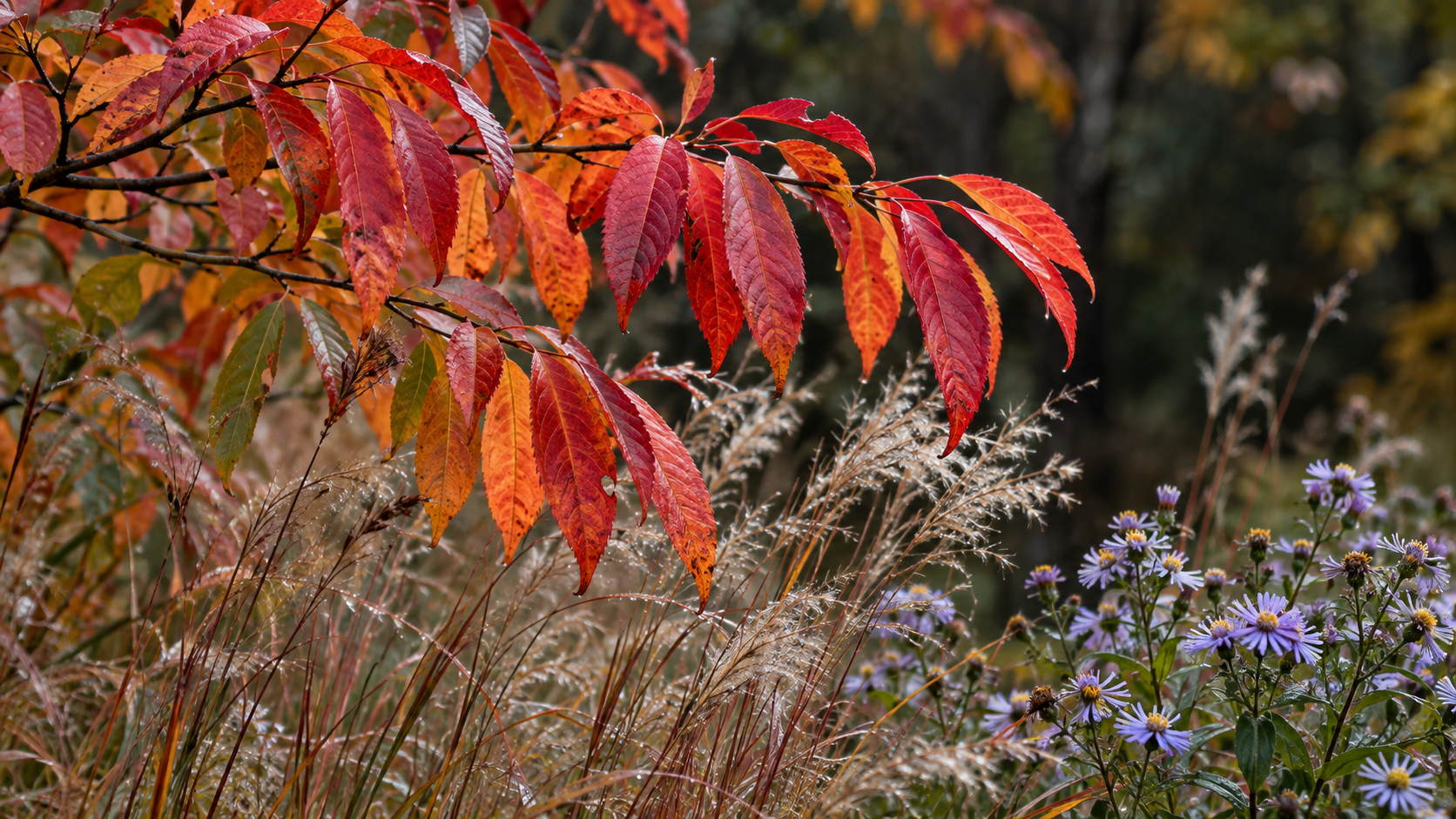
Fall in Western North Carolina brings spectacular mountain views, but you do not have to leave home to enjoy the season’s beauty. With the right native plants, your landscape can offer brilliant foliage, late-season flowers, and rich textures that make autumn feel just as special outside your front door.
For homeowners in Asheville and surrounding communities, native plants offer a natural connection to the region. They can also provide food and shelter for local wildlife when selected for the right growing conditions. Snow Creek Landscaping can help you build a fall planting plan that complements your home while celebrating the character of the Blue Ridge Mountains.
Start With Plants That Belong in Your Landscape
“Native” does not automatically mean a plant will thrive anywhere on your property. A species that grows along mountain streams may struggle on a dry, exposed slope. Likewise, a sun-loving grass may become weak and floppy beneath a dense tree canopy.
Successful native landscaping starts with matching plants to sunlight, soil moisture, drainage, and available space. Native plants still need care during establishment, especially consistent watering when rainfall falls short. NC State Extension Publications
Snow Creek Landscaping can help homeowners evaluate those conditions before choosing plants. That planning creates a stronger foundation for seasonal color and helps avoid expensive replacements later.
Sourwood: A Mountain Favorite With Brilliant Red Foliage
Few native trees capture the spirit of an Appalachian autumn quite like sourwood (Oxydendrum arboreum). Its fall foliage can turn vivid scarlet, burgundy, and purple, creating a striking focal point in a residential landscape.
Sourwood also offers summer interest through delicate white flower clusters. The pale seed capsules that follow can remain visible against its colorful autumn leaves, adding another layer of beauty.
This tree prefers acidic, well-drained soil and a location where its roots will not face heavy disturbance. It can grow in sun or partial shade, with stronger flowering and fall color generally associated with sunnier conditions. North Carolina Extension Gardener Plant Toolbox
Consider sourwood near a woodland edge or where you can appreciate it from a patio or living room window. Give it room to develop its natural form.
Black Gum: A Bold Choice for Larger Landscapes
Black gum (Nyssa sylvatica), also called black tupelo, deserves attention from homeowners who want a substantial native tree with outstanding fall color.
Its glossy green leaves can transition through orange, scarlet, and purple. Fruiting female trees also produce small, dark fruits that support birds and other wildlife.
Black gum commonly reaches approximately 40 to 70 feet tall, so mature size matters. A sunny location with adequate growing space and suitable soil makes a better choice than a narrow bed beside the house. North Carolina Extension Gardener Plant Toolbox
Snow Creek Landscaping can help position a black gum where it contributes shade, seasonal beauty, and long-term structure without crowding buildings or other important landscape features.
Large Fothergilla: Multiple Fall Colors on One Shrub
For homeowners seeking color closer to eye level, large fothergilla is an excellent native option. Often sold under the name Fothergilla major, this mountain-region shrub offers autumn leaves in yellow, orange, and scarlet.
Its appeal extends beyond fall. White, bottlebrush-like spring flowers provide fragrance and an attractive early-season display.
Large fothergilla prefers moist, acidic, well-drained soil in sun or partial shade. It can eventually reach roughly 12 feet tall and 10 feet wide, so it needs more room than its nursery size might suggest. North Carolina Extension Gardener Plant Toolbox
Use it in a spacious mixed border or near a woodland transition. Its rounded form creates a useful middle layer between taller trees and smaller perennials.
Virginia Sweetspire: Rich Color for Moist Planting Areas
Virginia sweetspire (Itea virginica) combines graceful branches, fragrant white flower clusters, and autumn foliage that can turn red, orange, or burgundy.
This native shrub is particularly useful where soil stays moist. It tolerates wetter conditions than many familiar ornamental shrubs and grows in sun or partial shade.
Sweetspire can spread through root suckers, gradually forming a colony. That habit can be valuable in a broad planting bed, but it deserves consideration near smaller neighboring plants. Cultivars also differ in mature size. North Carolina Extension Gardener Plant Toolbox
Snow Creek Landscaping can help determine whether sweetspire belongs in a rain garden, a moist border, or another area where its spreading habit fits the design.
Little Bluestem: Warm Color and Movement
Fall landscapes need texture as much as color. Little bluestem (Schizachyrium scoparium) delivers both through fine foliage, upright clumps, and attractive seed heads.
Its blue-green summer leaves transition toward warm orange and golden tones in autumn, while the standing foliage continues adding interest into winter.
Little bluestem grows best in full sun with good drainage. It is especially useful in sunny borders and meadow-style plantings where its fine texture can contrast with broader leaves and heavier shrubs. North Carolina Extension Gardener Plant Toolbox
Plant several together for a stronger visual effect. A repeated drift along a walkway or beside a seating area lets you appreciate the grass as light and wind move through it.
Blue Wood Aster and Bluestem Goldenrod: Flowers for Fall
Changing leaves are only part of the seasonal show. Native perennials can keep a landscape colorful as summer flowers fade.
Blue wood aster (Symphyotrichum cordifolium) produces clusters of small, pale blue to lavender flowers in late summer and fall. It is a useful choice for woodland-style borders with partial shade.
Bluestem goldenrod (Solidago caesia) offers yellow flowers along arching stems and also works well in partly shaded settings. Both provide resources for pollinators during their flowering season. North Carolina Extension Gardener Plant Toolbox
Together, these plants create a pleasing combination of cool and warm colors. Snow Creek Landscaping can incorporate them into layered beds where their flowers complement nearby fall foliage.
Bring the Season Together With a Thoughtful Design
The best fall landscape combines plants at different heights and with different seasonal strengths. A colorful tree establishes the backdrop, shrubs fill the middle layer, and grasses or flowering perennials bring detail closer to the ground.
Repeat a few plants throughout the design to create continuity. Place your strongest fall color where you will see it often, and remember that bloom times and foliage changes vary with weather and elevation.
For Asheville-area homeowners, Snow Creek Landscaping can help turn those ideas into a practical planting plan. With thoughtful selection and placement, native plants can make your landscape a place to enjoy Western North Carolina’s autumn beauty year after year.
