
Is March Too Early to Plant in Asheville? Understanding Mountain Microclimates
If you’ve lived in Asheville for more than a year, you already know the answer to most spring gardening questions is: it depends.
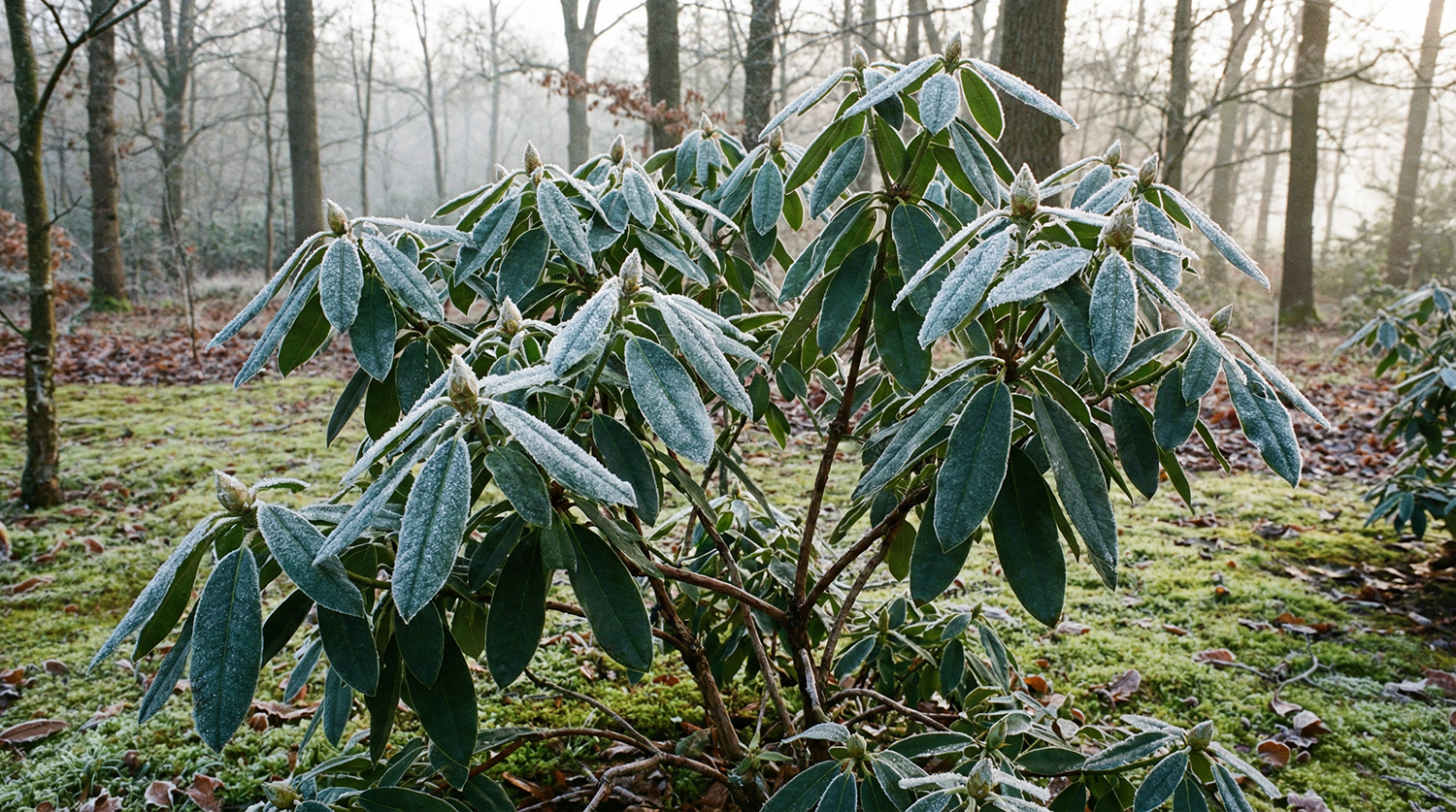
One week in March can feel like late April—sunny skies, warm afternoons, and neighbors itching to refresh their landscape beds. The next week? A hard frost rolls through, and suddenly those early plantings look vulnerable.
So, is March too early to plant in Asheville?
The honest answer: Sometimes yes. Sometimes no. It all comes down to understanding our mountain microclimates—and making informed decisions for your specific landscape. At Snow Creek Landscaping, we help homeowners throughout Asheville and the surrounding areas navigate this exact question every spring.
Asheville’s Mountain Microclimates: Why Timing Isn’t Simple
Unlike flatter regions of North Carolina, Asheville sits in a bowl of rolling elevations, slopes, ridgelines, and valleys. That terrain creates what’s known as microclimates—small pockets of land that experience different weather conditions than nearby areas.
Within a single neighborhood, you might find:
South-facing slopes that warm quickly in March
Shaded north-facing areas that stay cool and damp
Low-lying pockets where cold air settles overnight
Elevated ridges that experience stronger winds and colder temps
This means your neighbor’s landscape may be safe to plant—while yours is still at risk of frost damage.
Snow Creek Landscaping evaluates these site-specific conditions before recommending early planting. Elevation, sun exposure, drainage, and soil temperature all matter more than the calendar date.
What About Asheville’s Last Frost Date?
Historically, Asheville’s average last frost falls somewhere between mid-April and late April. But averages can be misleading in the mountains.
March often brings:
70-degree afternoons
30-degree overnight lows
Surprise late-season cold snaps
Occasional ice or snow events
Planting tender annuals or warm-season vegetables too early can result in damaged foliage, stunted growth, or complete plant loss.
At Snow Creek Landscaping, we remind homeowners that March warmth does not guarantee April safety.
What You Can Safely Plant in March
While March may be too early for certain plants, it’s not too early for everything. In fact, some plant material performs beautifully when installed before peak spring growth.
1. Hardy Trees and Shrubs
Dormant or cold-hardy trees and shrubs often establish well in early spring. The soil is beginning to warm, but plants aren’t yet stressed by summer heat.
Examples suitable for March planting in Asheville include:
Boxwoods
Native shrubs
Hardy ornamental grasses
Select deciduous trees
Planting early allows root systems to establish before summer.
Snow Creek Landscaping often schedules tree and shrub installations in March when conditions allow, particularly for landscape renovations and new construction projects.
2. Perennials That Tolerate Cool Weather
Some perennials are built for fluctuating temperatures. March planting can actually give them a head start.
However, proper soil preparation is critical. Mountain soils can remain compacted and moisture-heavy from winter. Without proper drainage, roots may struggle.
Snow Creek Landscaping ensures landscape beds are properly amended, aerated, and prepped before any early-season installation.
3. Cool-Season Vegetables (If Protected)
If you have raised beds in your landscape, cool-season crops like lettuce, spinach, and peas may tolerate early planting—especially with frost cloth protection.
But even here, microclimate matters. A sunny, sheltered corner of your landscape behaves differently than an exposed open area.
What You Should Avoid Planting in March
This is where many Asheville homeowners get into trouble.
❌ Warm-Season Annuals
Petunias, impatiens, begonias, and other colorful annuals are vulnerable to frost. One unexpected cold snap can wipe out an entire landscape bed.
❌ Tender Tropical Plants
Anything that thrives in true summer heat should wait until consistent overnight temperatures remain above 50 degrees.
❌Summer Vegetables
The Real Risk: Soil Temperature
Air temperature gets all the attention. Soil temperature is what really matters.
In Asheville’s mountain environment, soil warms more slowly than many homeowners expect—especially in shaded or north-facing landscape areas.
Planting into cold soil can result in:
Root shock
Slow establishment
Increased disease risk
Poor nutrient uptake
Before planting, Snow Creek Landscaping assesses soil conditions to ensure your landscape investments aren’t going into ground that’s not ready.
The March Advantage: Landscape Preparation
Even if it’s too early for certain plantings, March is prime time for preparation.
This is where smart homeowners get ahead.
1. Landscape Cleanup
Winter leaves behind debris, fallen limbs, and compacted organic matter. Clearing this early:
Improves airflow
Reduces fungal risk
Prepares beds for mulching
Makes space for new growth
Given the recent stretches of unpredictable winter weather in the Asheville area, many landscapes are still recovering from storm debris and heavy moisture.
Snow Creek Landscaping specializes in pre-season landscape cleanup, ensuring your property is ready when planting season truly arrives.
2. Mulch Refresh
Mulch plays a major role in regulating soil temperature. In March, refreshing mulch:
Protects roots from temperature swings
Suppresses early weeds
Enhances landscape appearance
Retains moisture properly
However, mulch depth matters. Too much can suffocate roots. Too little provides no insulation. Snow Creek Landscaping ensures proper depth and spacing from trunks and stems.
3. Pruning and Structural Corrections
March is ideal for:
Pruning dormant shrubs
Removing winter-damaged branches
Shaping ornamental trees
Inspecting for disease or pest damage
This structural work sets the foundation for healthy spring growth.
Microclimate Examples in Asheville
To truly understand why March planting is tricky, consider these common scenarios:
South-Facing Slope
Warms quickly. Soil dries faster. May support earlier planting.
Shaded Woodland Landscape
Cooler, moisture-retaining soil. Slower to warm. Higher fungal risk.
Low-Lying Landscape Pocket
Cold air settles overnight. Frost risk is greater.
Exposed Ridge Landscape
More wind exposure. Temperature fluctuations are sharper.
Snow Creek Landscaping evaluates these differences before developing a planting plan tailored specifically to your property—not just your ZIP code.
The Smart Approach: Phased Spring Installation
Rather than rushing everything in March, many Asheville homeowners benefit from a phased approach:
Phase 1 (March):
Cleanup
Bed prep
Tree and shrub installation
Mulch refresh
Structural pruning
Phase 2 (April–May):
Annual flower installation
Warm-season planting
Final design enhancements
This staggered approach protects your investment while maximizing spring growth.
Snow Creek Landscaping helps homeowners design a schedule that aligns with Asheville’s mountain realities—not just spring excitement.
So… Is March Too Early?
It depends on:
Your elevation
Your landscape’s sun exposure
Soil temperature
Drainage conditions
The type of plant material
For many Asheville properties, March is not too early for preparation—but may be too early for tender plantings.
That’s why working with a local expert matters.
Why Snow Creek Landscaping Makes the Difference
Mountain microclimates require local knowledge. Guesswork leads to plant loss and wasted investment.
Snow Creek Landscaping understands:
Asheville’s elevation patterns
Local frost tendencies
Soil composition across neighborhoods
Seasonal weather variability
Proper plant selection for Western North Carolina
Instead of reacting to a warm week in March, we help homeowners make strategic decisions that protect and enhance their landscape long-term.
Final Thoughts for Asheville Homeowners
Spring energy is exciting. After a long winter, it’s natural to want immediate color and change in your landscape.
But in Asheville’s mountains, patience is often rewarded.
March is a month for preparation, planning, and strategic planting—not impulse decisions based on a sunny weekend.
If you’re unsure whether your landscape is ready, Snow Creek Landscaping is here to help. Our team can evaluate your property, identify its microclimate conditions, and create a spring plan that sets you up for success—without the risk.
Because in Asheville, spring doesn’t arrive all at once.
It arrives in layers.
And the right timing makes all the difference.
