
Native Shrubs That Thrive in Western North Carolina Landscapes

Western North Carolina’s breathtaking mountain environment is one of the most plant-rich regions in the United States. Dramatic elevation changes, cool mountain air, dappled woodland light, and reliable rainfall create unique conditions that support a stunning variety of native shrubs. When designed thoughtfully, these shrubs don’t just survive—they thrive, offering beauty, structure, and ecological benefits in virtually any home landscape.
At Snow Creek Landscaping, we rely on native and mountain-adapted shrubs to build resilient, low-maintenance outdoor spaces throughout Asheville, Hendersonville, Weaverville, and the surrounding areas. These foundational plants anchor garden beds, stabilize slopes, support wildlife, and bring four-season interest to Western North Carolina homes.
Below, we explore three standout shrub choices—Rhododendron, Winterberry, and Boxwood—and how Snow Creek Landscaping uses them to transform properties into thriving, long-lasting landscapes.
Why Native Shrubs Matter in Western North Carolina
Choosing native or regionally adapted shrubs is one of the smartest decisions a homeowner can make. Western North Carolina’s rugged terrain and mixed microclimates demand plant species that can handle:
Cool winters
Humid summers
Varied soil moisture
Rocky slopes
Part-shade woodland environments
Native shrubs are naturally suited for these conditions, which means they usually require:
Less watering
Simpler maintenance
Fewer fertilizers or chemicals
Greater long-term resilience
Snow Creek Landscaping prioritizes these species because they benefit both homeowners and the surrounding ecosystem, encouraging balance, biodiversity, and year-round outdoor enjoyment.
Featured Shrubs for Western North Carolina Landscapes
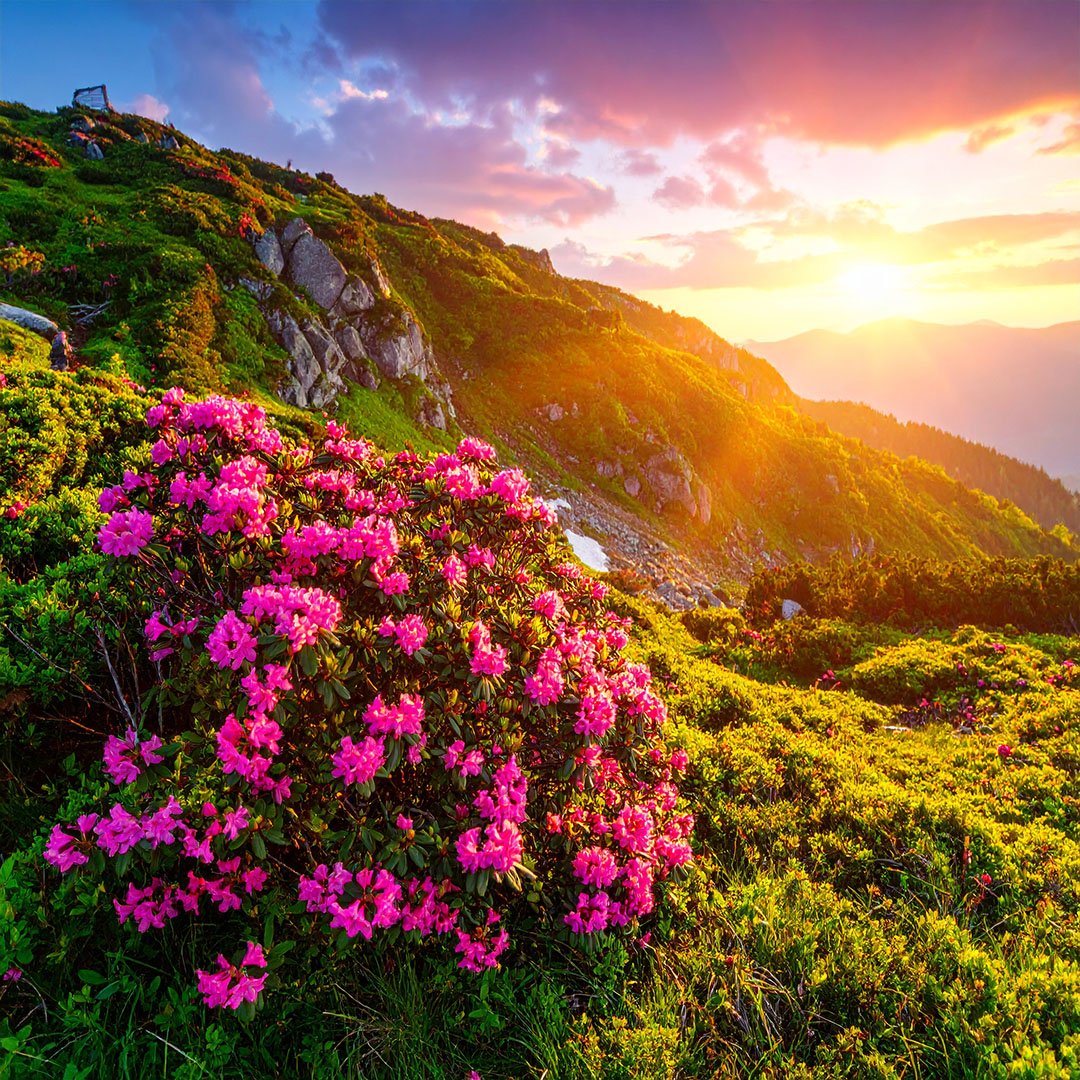
1. Rhododendron
The Classic Evergreen of the Blue Ridge Mountains
If there is one shrub that symbolizes the beauty of the Blue Ridge, it’s the native rhododendron. With its glossy evergreen foliage and dramatic late-spring blooms, rhododendron delivers iconic Appalachian charm.
Why Rhododendron Thrives Here
Native rhododendrons evolved in Western North Carolina’s cool, shaded, moist forests. They are perfectly suited to:
Dappled light beneath hardwood canopies
Rich, acidic soil
Sloped or well-drained mountain terrain
Their year-round foliage and architectural branching also make them excellent for screening, foundation accents, and woodland pathways.
Design Uses by Snow Creek Landscaping
Snow Creek Landscaping often incorporates rhododendrons:
As evergreen anchors in naturalized beds
Along property edges to soften transitions into wooded areas
In multi-layered designs with native perennials and groundcovers
As privacy screens that blend naturally into the landscape
Their sculptural form adds structure even in winter, while their blooms attract pollinators in spring.
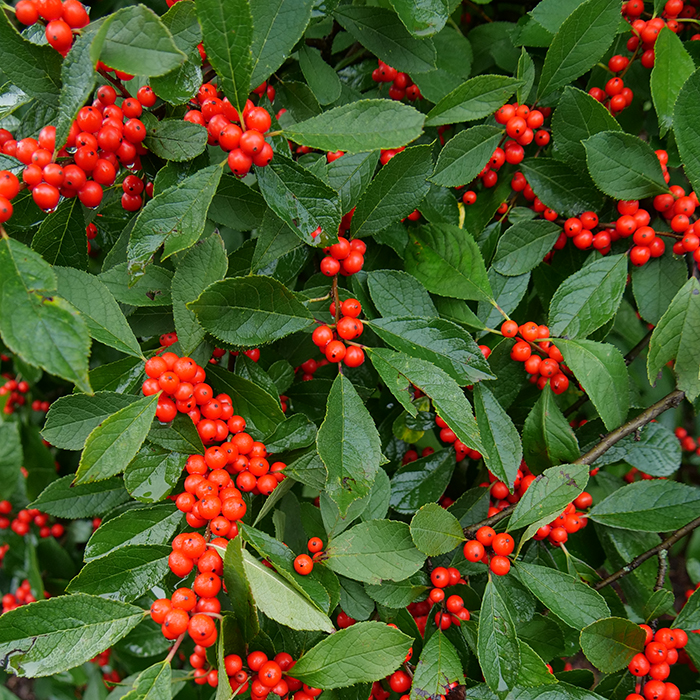
2. Winterberry (Ilex verticillata)
Seasonal Color and Wildlife Value in Every Landscape
Winterberry is a standout deciduous holly native to the Appalachian region. Unlike evergreen hollies, winterberry drops its leaves in the fall—revealing clusters of bright, glossy red berries that persist well into winter.
Why Winterberry Works So Well in WNC
Winterberry thrives in areas that many other shrubs find challenging, including:
Moist or low-lying sites
Edges of rain gardens
Woodland margins
Streamside beds
Its tolerance for both wet soils and clay makes it particularly useful in Western North Carolina’s variable terrain.
Wildlife Benefits
Winterberry berries provide a critical winter food source for birds, including bluebirds, cedar waxwings, robins, and mockingbirds. Its dense branching also creates essential cover and nesting habitat.
Design Uses by Snow Creek Landscaping
Snow Creek Landscaping frequently selects winterberry to introduce:
Winter interest and pops of red during the cold season
Seasonal wildlife attraction
Naturalized clusters in rain gardens or transitional areas
Shrub groupings where berry production becomes a focal point
To ensure abundant berries, Snow Creek Landscaping always installs the proper male pollinator companion plant—an essential detail homeowners often overlook.
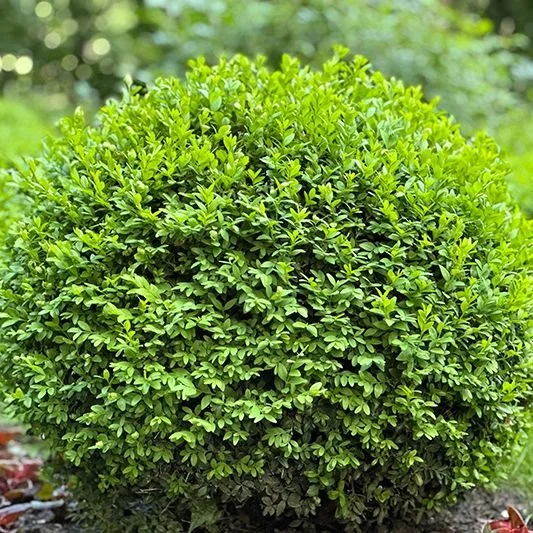
3. Boxwood (Buxus spp.)
Timeless Structure for Mountain Homes
While boxwood is not native to Western North Carolina, it is regionally adapted and has become a classic evergreen choice for homeowners who want a clean, structured, and refined look in their landscape. When used alongside native shrubs such as rhododendron and winterberry, boxwood provides architectural balance and evergreen stability.
Why Boxwood Thrives in This Region
Boxwood prefers:
Partial sun to light shade
Well-drained soil
Moderate moisture
Protection from harsh winter winds
In the mountains, these conditions are easily met—especially around home foundations, patios, and entryways.
Design Benefits
Boxwood is a designer’s dream because it can be shaped or left natural and still perform beautifully.
Snow Creek Landscaping uses boxwood for:
Foundation plantings that stay green year-round
Symmetrical entryways that offer a touch of formality
Natural hedges that create low borders without appearing overly manicured
Evergreen structure in mixed native plant beds
Layered plantings where boxwood serves as the “middle layer” between tall shrubs and groundcovers
Boxwood pairs exceptionally well with the more free-flowing, organic shapes of rhododendron and the seasonal flair of winterberry.
Designing with Shrubs in Western North Carolina
At Snow Creek Landscaping, designing with native and mountain-adapted shrubs follows a thoughtful process based on how plants naturally grow in the Blue Ridge region. A few of our core design principles include:
1. Right Plant, Right Place
Each shrub is placed based on:
Light levels
Soil type
Moisture patterns
Slope stability
Proximity to woodland areas
This ensures strong root development, lower upkeep, and long-term success.
2. Four-Season Interest
Shrubs are carefully chosen to create a year-round experience:
Spring: Rhododendron blooms
Summer: Dense evergreen boxwood structure
Fall: Winterberry foliage turns golden
Winter: Bright winterberry berries and evergreen form
This staggered seasonal layering keeps landscapes alive with color and texture throughout the year.
3. Wildlife Support
Snow Creek Landscaping incorporates shrub groupings that naturally invite birds and pollinators. Winterberry and rhododendron—in particular—offer nectar, berries, and safe shelter for native species.
4. Blending Natural and Refined Aesthetics
Homeowners in Western North Carolina often want landscapes that feel deeply tied to nature while still looking polished and intentional. We achieve this by:
Using native plants for authenticity
Incorporating evergreen structure for elegance
Adding layered planting beds that mirror the surrounding forest
The result is a landscape that feels organic yet beautifully curated.
How Snow Creek Landscaping Helps Homeowners Succeed
Selecting the right shrubs for a mountain environment can be overwhelming for homeowners. Western North Carolina contains countless microclimates—from shady ravines to sun-filled slopes—each requiring a different planting approach.
Snow Creek Landscaping brings decades of regional expertise to each project, helping clients:
Analyze soil, light, and drainage conditions
Choose shrubs that thrive long-term with minimal maintenance
Design layered, attractive, wildlife-friendly planting beds
Install and maintain shrubs for lasting health and beauty
Transform difficult spaces (slopes, low areas, wet zones) into attractive features
Our design philosophy is simple: create landscapes that feel rooted in the mountains while offering long-term resilience and beauty.
Ready to Transform Your Landscape?
Whether you want evergreen structure, seasonal color, or wildlife-supporting native plants, shrubs like rhododendron, winterberry, and boxwood offer incredible versatility for Western North Carolina homes.
If you’re ready to enhance your outdoor space with shrubs that thrive in our mountain climate, Snow Creek Landscaping is here to help. Our team can design, install, and maintain a landscape that blends naturally with the Blue Ridge environment—while elevating the beauty and value of your home.
Reach out today to begin building a landscape that truly thrives.
